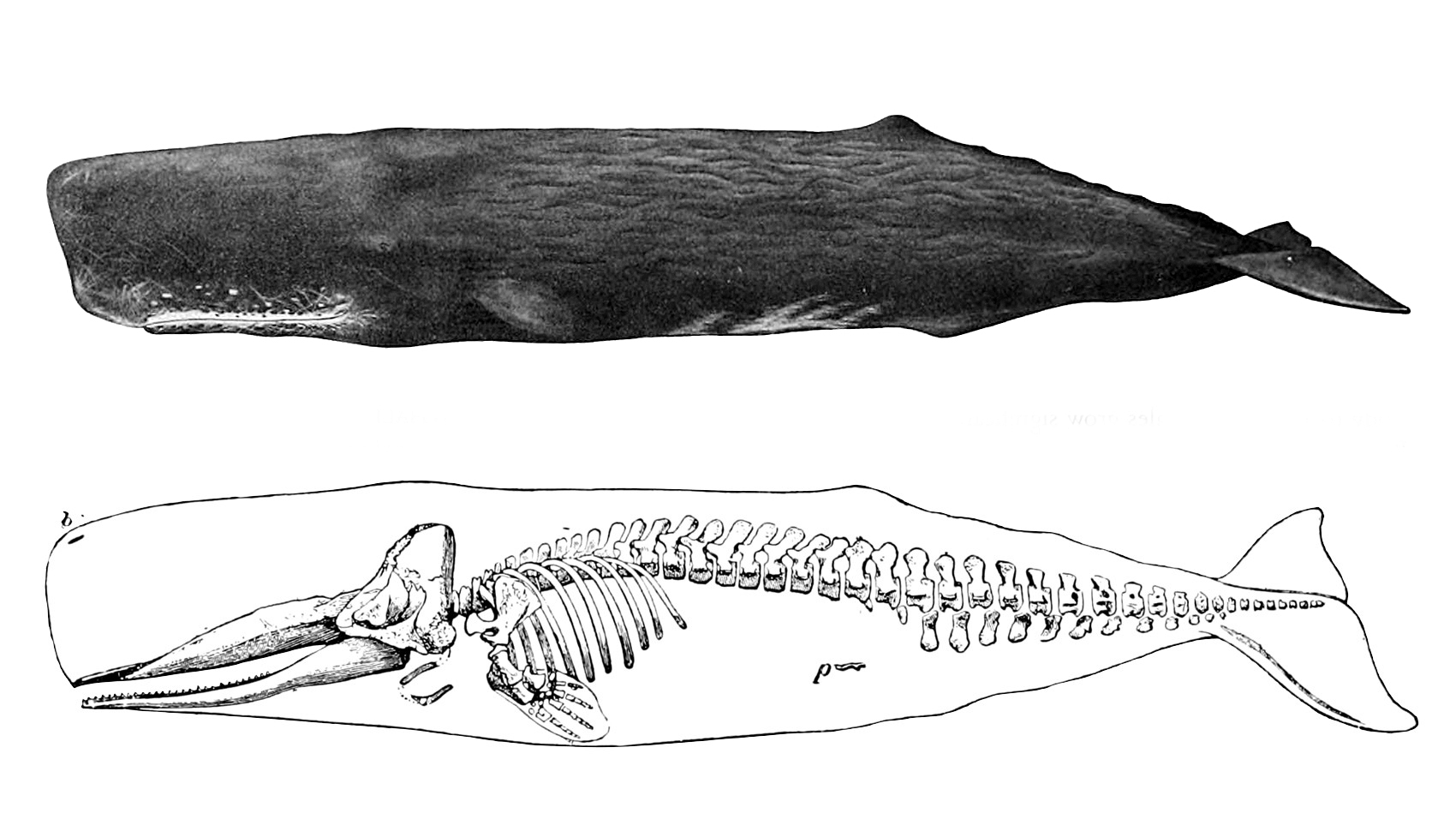
Comments closed“At the bottom of the ocean, several kilometres down, is the abyssal seafloor. The pressure is crushing, the temperature is two to three degrees Celsius. The darkness is absolute: no light means no nutrients, and thus almost no life. Except when a whale falls. When whales die, they fall to the bottom of the ocean. And death brings life. Whale falls are the dark inverse of coral reefs.”
The Disenchanted World Posts
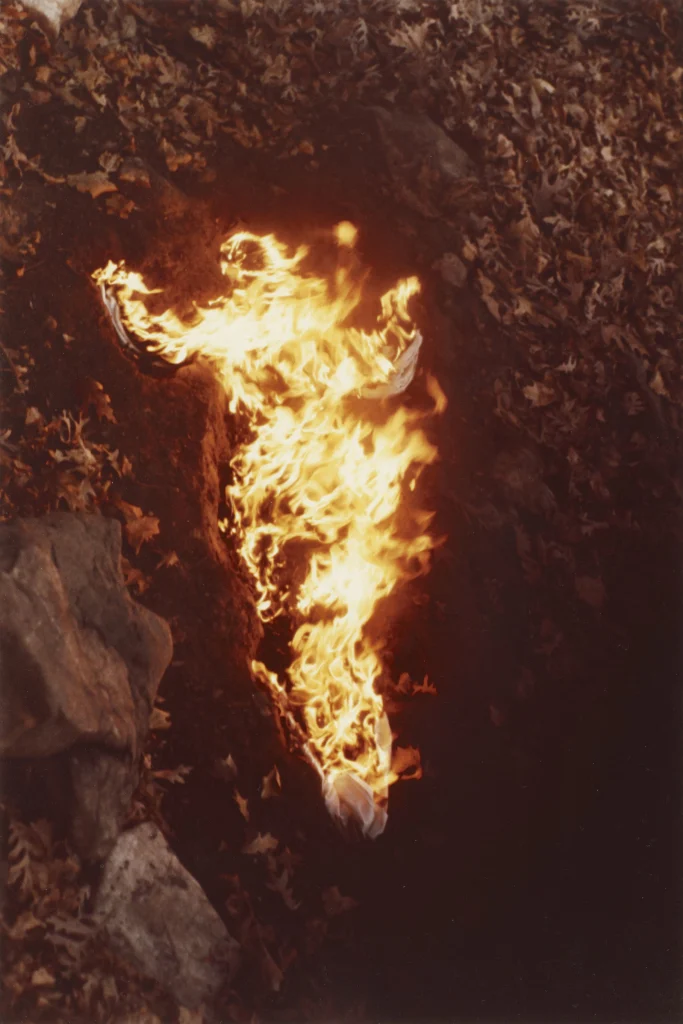
Pain of Cuba
body I amComments closed
my orphanhood I live
In Cuba when you die
the earth that covers us speaks
But here
covered by the earth whose prisoner I am
I feel death palpitating underneath
the earth.
And, so
as my whole body is filled with want of Cuba
I go on to make my work upon the earth,
to go on is victory.
- Ana Mendieta, June 1981
You want to cry aloud for your
mistakes. But to tell the truth the world
doesn’t need anymore of that sound.

So if you’re going to do it and can’t
stop yourself, if your pretty mouth can’t
hold it in, at least go by yourself across

the forty fields and the forty dark inclines
of rocks and water to the place where
the falls are flinging out their white sheets

like crazy, and there is a cave behind all that
jubilation and water fun and you can
stand there, under it, and roar all you

want and nothing will be disturbed; you can
drip with despair all afternoon and still,
on a green branch, its wings just lightly touched

by the passing foil of the water, the thrush,
puffing out its spotted breast, will sing
of the perfect, stone-hard beauty of everything.
– The Poet with His Face in His Hands, Mary Oliver
Comments closed
But human nature is so constituted, that it holds nothing to be precious and admirable but what is uncommon and of rare occurrence. The rising and setting of the sun, than which there is nothing in the world more beautiful, nothing more fit to excite our wonder, we pass by without any admiration, because they are daily presented to our eyes; while an eclipse of the sun fills the whole world with astonishment, because it happens rarely.
– Giraldus Cambrensis, Topographia Hibernica
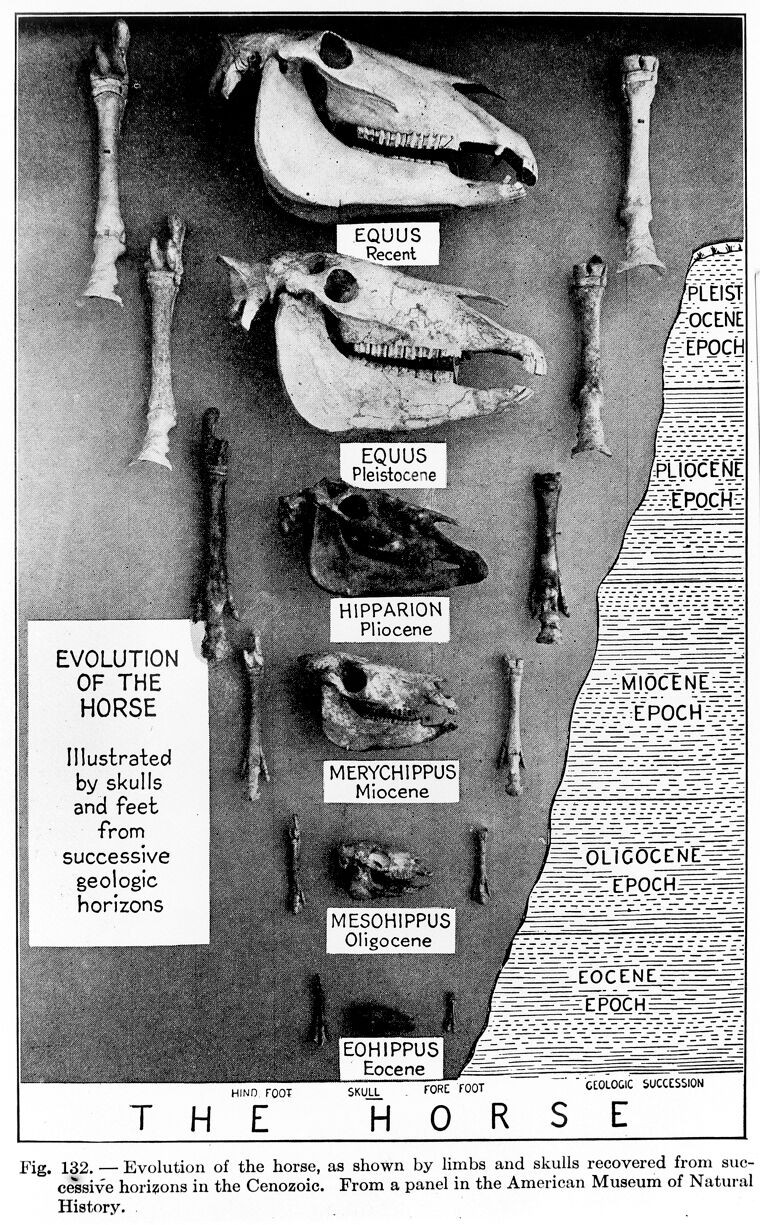
“… he said that the souls of horses mirror the souls of men more closely than men suppose and that horses also love war. Men say they only learn this but he said that no creature can learn that which his heart has no shape to hold. His own father said that no man who has not gone to war on horseback can ever truly understand the horse and he said that he supposed he wished that this were not so but that it was so.
– Cormac McCarthy, All the Pretty Horses
Lastly he said that he had seen the souls of horses and that it was a terrible thing to see. He said that it could be seen under certain circumstances attending the death of a horse because the horse shares a common soul and its separate life only forms it out of all horses and makes it mortal. He said that if a person understood the soul of the horse then he would understand all horses that ever were.”
My own friends are blackbirds
who play see-saw on roofs of crumbling houses
Exarchia, Patisia, Metaxurgio, Metz.*
They do whatever comes along.
Peddlers of cookbooks and encyclopedias
they build roads and connect deserts
barkers for Zinonos Str. dives
professional rebels
cornered in the old days and forced to
            drop their pants
now they swallow pills and alcohol to sleep
but they have dreams so they don’t sleep.
My own women-friends are taut wires
on roof terraces of old houses
Exarchia, Victoria, Koukaki, Ghizi.
You’ve pinned on them a million steel clothes’ pins
your guilt, party-meeting decisions, borrowed dresses
cigarette burn-marks, strange headaches
threatening silences, vaginitis
they fall in love with gays
trichomonas, late-periods
the telephone the telephone the telephone
broken glasses and no one for an ambulance.
They do whatever comes along.
– 3, Katerina Gogoi, from Now Let’s See What You’re Going to Do: Poems 1978-2002

Tragedy is the true form of Drama, its highest function; but the opposite is true of Fairy-story. Since we do not appear to possess a word that expresses this opposite—I will call it Eucatastrophe… Importantly, eucatastrophic grace is not a denial of the sorrows and sufferings of the world. Eucatastrophic grace is, rather, commitment to hope, loyalty to hope, fidelity to hope… It does not deny the existence of dyscatastrophe, of sorrow and failure: the possibility of these is necessary to the joy of deliverance; it denies (in the face of much evidence, if you will) universal final defeat and in so far is evangelium, giving a fleeting glimpse of Joy, Joy beyond the walls of the world, poignant as grief.
J.R.R. Tolkien, “On Fairy-Stories”Comments closed
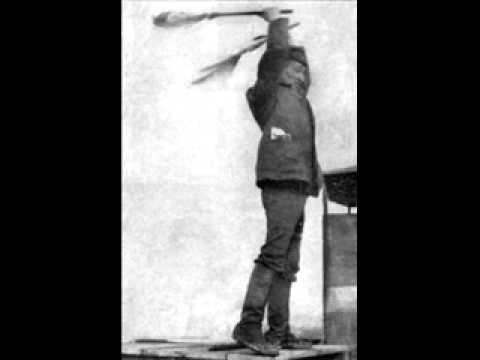
Shortly after the October Revolution in 1917, Avraamov proposed to the Commissar of Public Enlightenment, Anatoly Lunacharsky, a project to burn all pianos in Russia. Avraamov perceived pianos as the ultimate symbols of the despised 12-tone, octave-based “well-tempered” scale, which he believed had adversely affected human hearing for several hundred years. Arguing in favor of the new 48-tone, microtonal, ultrachromatic scale named the “Welttonsystem,” Avraamov intended to pursue the possibility of combining the well-tempered scale with the natural one based on series of overtones.
https://daily.redbullmusicacademy.com/2017/07/revolutionary-arseny-avraamov
Comments closed